Find Your Property

Buyers

Expert advice to help you buy the right home at the right price.

Search Properties

Looking to buy?

Buying a home can be the biggest investment you make and can be a daunting experience. Some sales go through quickly and efficiently, others take their time due to a whole number of reasons.

Choosing somewhere to live is one thing, but how can you be sure the property is right for you, fit for purpose and value for money?

sales and letting agents in chester changing home

Let us help!

Changing Home can help when it comes to things like getting a building survey, answering questions like:

  • Why is the property so cheap?
  • Am I paying too much?
  • Does it have any obvious or hidden defects?
  • Is there anything that could cause problems if I sell on in the future?
  • What will it cost to bring the property up to my requirements?
A short guide through the process

Everything you need to know to make your home purchase smooth and simple.

A detailed report, usually more appropriate for older houses or where there’s concern over the structure. A building survey doesn’t normally include a valuation.

A detailed report highlighting urgent or significant issues that could help with price negotiation before exchanging contracts. It’ll include a market valuation for insurance purposes and is a cost-effective way of getting peace of mind before buying.

A limited report purely to give a bank or building society a valuation and the reassurance the property is suitable for a mortgage.

Most people in the UK want to own their own home, but that’s not always the best option.

There’s lots of things to think about apart from the cost of buying. Maintaining and managing the property for example and of course, paying the mortgage.

If you’re a first time buyer, you may be used to renting a property and you should think carefully about the additional costs owning a property bring.

If you already own a property, you may prefer to sell this before you buy. You’ll need to make sure you’re not caught out by the economic climate – increasing house prices could see you lose out – but there are other advantages.

For example, if you’ve already sold and are perhaps living in rented accommodation or with friends or relatives, you’ll be in a better position to move quickly as you won’t be in a chain.

Whether looking for a new build or older property, you’ll need to research what’s around and visit as many potential homes as possible so you can contrast and compare.

You’ll also need to check out if a property is freehold or leasehold and ensure it’s not on a short lease.

Your mortgage lender will need a surveyor’s valuation to give them assurance that the property is good enough to lend against. It won’t go into great detail but you can usually either get the valuation upgraded to a full survey or commission a separate one.

This should alert you to any potential problems. Unless you’re really switched on with property issues, it’s usually best to get a full survey.

Before you can exchange contracts you’ll need to give your solicitor or conveyancer a deposit of up to 10% of the purchase price of the property.

You should either have this from the deposit you’ve arranged for the whole property, or you could raise it from the sale of your existing home.

Once you exchange contracts you’re legally committed to buy/sell.

You should only exchange contracts after you’ve received the surveyors report and taken any necessary action.

Before you exchange, you’ll need to agree a completion date with the seller.

You’ll only be able to exchange contracts once the solicitor/conveyancer is satisfied with the searches, a formal mortgage offer has been received, and arrangements have been finalised for the deposit payment.

It’s usually a condition of the mortgage that you’ll also need to take out buildings insurance for the property from the date of exchange, as you’re responsible for it from then on.

There’s often some extra detailed negotiation to finalise. For example, buying the seller’s fridge or items of furniture. And you’ll need to make arrangements for electricity, gas, water etc to be switched across to you.

Your solicitor/conveyancer should be liaising with the mortgage company to ensure the money will be ready for completion. You need to ensure that any balance required is also paid already. Normally you’ll pay that to your conveyancer before completion.

Completion is when the property changes ownership, your payment is made and you receive the keys. It’ll be a previously agreed date.

The money is transferred and any deeds for the property are transferred between each side’s solicitor or conveyancer.

The seller has to leave the property by the time of completion, and you should then be able to collect the keys from Changing Home. You can move in!

Prior to completion, your solicitor/conveyancer will send you a completion statement of their costs and disbursements along with details of how much stamp duty to pay.

They’ll normally pay this for you and ensure the change of ownership is registered with the Land Registry.

A detailed report, usually more appropriate for older houses or where there’s concern over the structure. A building survey doesn’t normally include a valuation.

A detailed report highlighting urgent or significant issues that could help with price negotiation before exchanging contracts. It’ll include a market valuation for insurance purposes and is a cost-effective way of getting peace of mind before buying.

A limited report purely to give a bank or building society a valuation and the reassurance the property is suitable for a mortgage.

Most people in the UK want to own their own home, but that’s not always the best option.

There’s lots of things to think about apart from the cost of buying. Maintaining and managing the property for example and of course, paying the mortgage.

If you’re a first time buyer, you may be used to renting a property and you should think carefully about the additional costs owning a property bring.

If you already own a property, you may prefer to sell this before you buy. You’ll need to make sure you’re not caught out by the economic climate – increasing house prices could see you lose out – but there are other advantages.

For example, if you’ve already sold and are perhaps living in rented accommodation or with friends or relatives, you’ll be in a better position to move quickly as you won’t be in a chain.

Whether looking for a new build or older property, you’ll need to research what’s around and visit as many potential homes as possible so you can contrast and compare.

You’ll also need to check out if a property is freehold or leasehold and ensure it’s not on a short lease.

Your mortgage lender will need a surveyor’s valuation to give them assurance that the property is good enough to lend against. It won’t go into great detail but you can usually either get the valuation upgraded to a full survey or commission a separate one.

This should alert you to any potential problems. Unless you’re really switched on with property issues, it’s usually best to get a full survey.

Before you can exchange contracts you’ll need to give your solicitor or conveyancer a deposit of up to 10% of the purchase price of the property.

You should either have this from the deposit you’ve arranged for the whole property, or you could raise it from the sale of your existing home.

Once you exchange contracts you’re legally committed to buy/sell.

You should only exchange contracts after you’ve received the surveyors report and taken any necessary action.

Before you exchange, you’ll need to agree a completion date with the seller.

You’ll only be able to exchange contracts once the solicitor/conveyancer is satisfied with the searches, a formal mortgage offer has been received, and arrangements have been finalised for the deposit payment.

It’s usually a condition of the mortgage that you’ll also need to take out buildings insurance for the property from the date of exchange, as you’re responsible for it from then on.

There’s often some extra detailed negotiation to finalise. For example, buying the seller’s fridge or items of furniture. And you’ll need to make arrangements for electricity, gas, water etc to be switched across to you.

Your solicitor/conveyancer should be liaising with the mortgage company to ensure the money will be ready for completion. You need to ensure that any balance required is also paid already. Normally you’ll pay that to your conveyancer before completion.

Completion is when the property changes ownership, your payment is made and you receive the keys. It’ll be a previously agreed date.

The money is transferred and any deeds for the property are transferred between each side’s solicitor or conveyancer.

The seller has to leave the property by the time of completion, and you should then be able to collect the keys from Changing Home. You can move in!

Prior to completion, your solicitor/conveyancer will send you a completion statement of their costs and disbursements along with details of how much stamp duty to pay.

They’ll normally pay this for you and ensure the change of ownership is registered with the Land Registry.

Get started with your free valuation

Get a free valuation of your property.

Properties For Sale

Sales Properties

For Sale

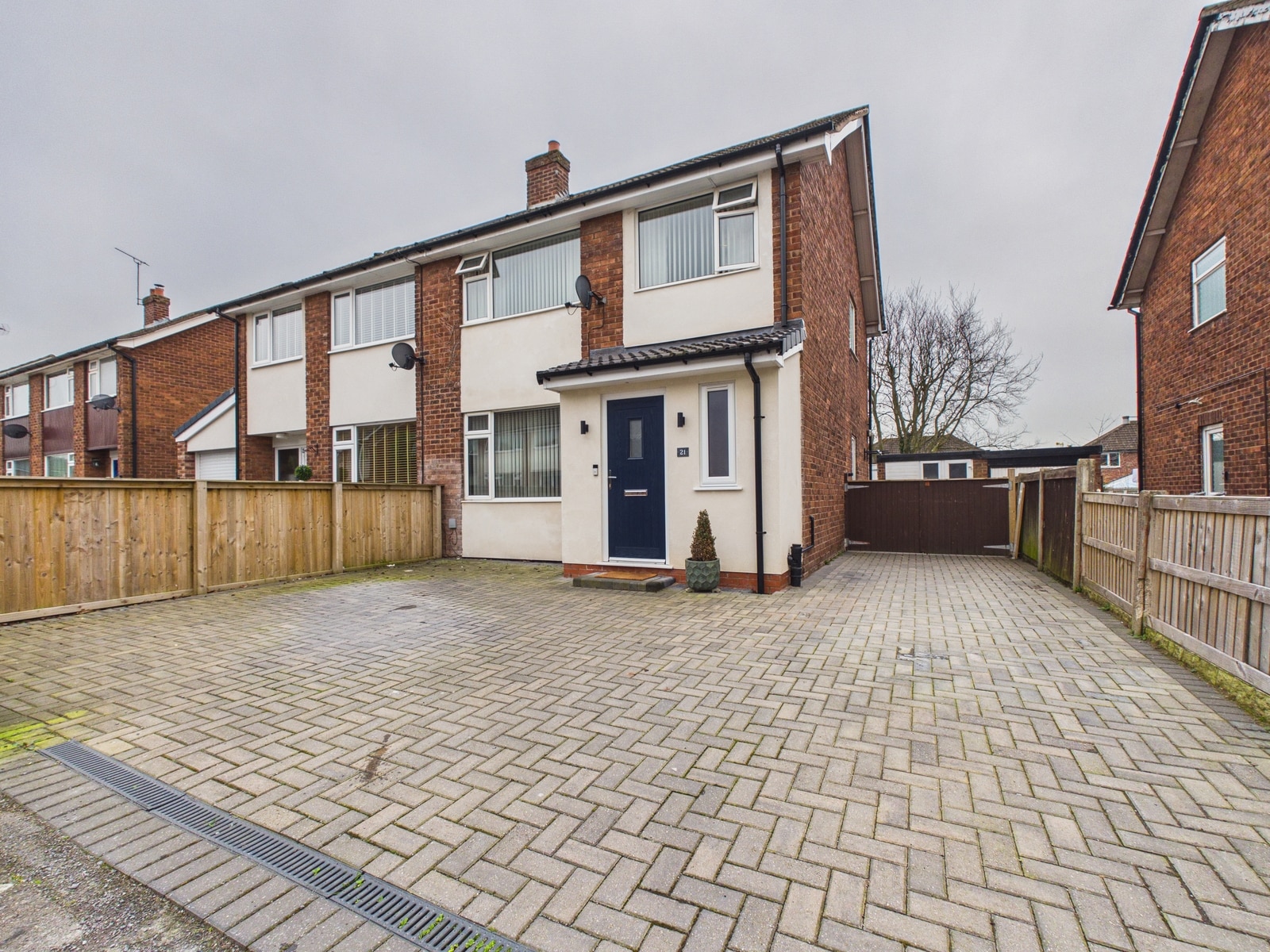
Walnut Grove, Llay, LL12

£235,000

  • 2
  • 1
For Sale

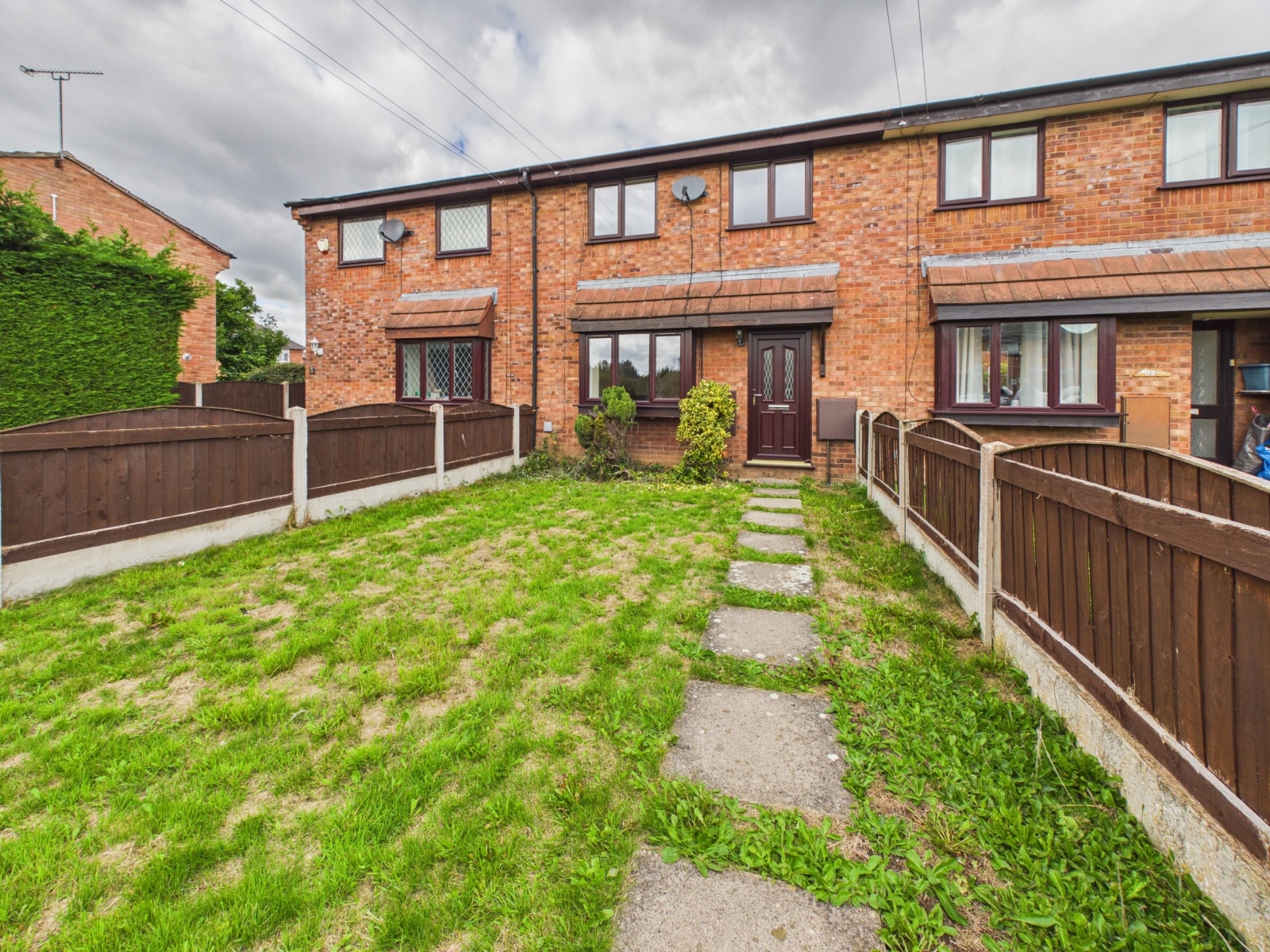
Aragon Green, Blacon, Chester

£180,000

  • 3
  • 1
For Sale

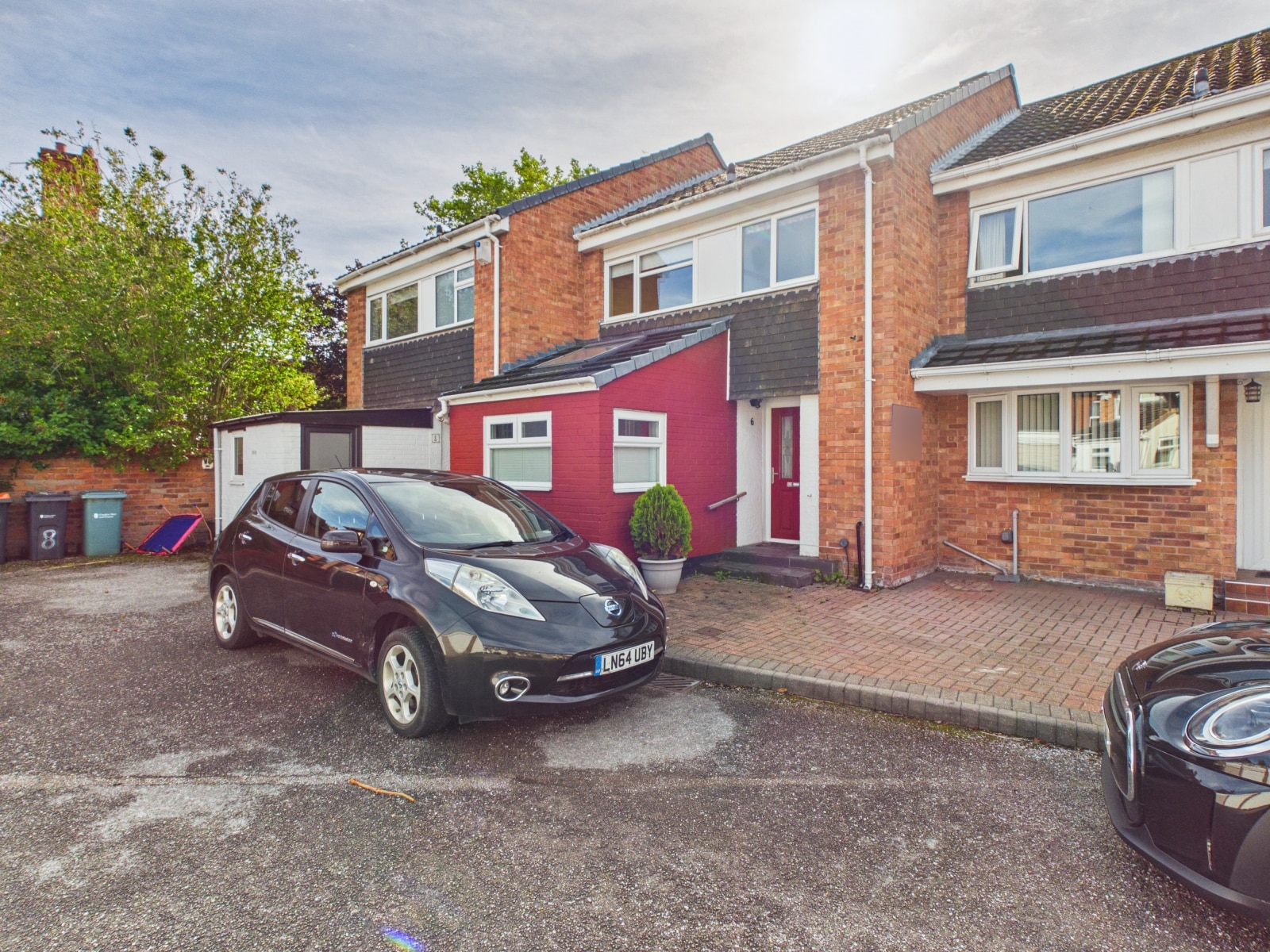
Longburgh Close, Hoole, Chester, CH2

£315,000

  • 3
  • 1
For Sale

Stapleton House, Truemans Way, Hawarden

£750,000

  • 4
  • 3
  • 2
For Sale

Handbridge, Chester, CH4

£390,000

  • 2
  • 2
  • 1
For Sale

Penfold Way, Dodleston, CH4

£420,000

  • 4
  • 2
  • 2
For Sale

Shrewsbury Way, Saltney, CH4

£125,000

  • 1
  • 1
For Sale

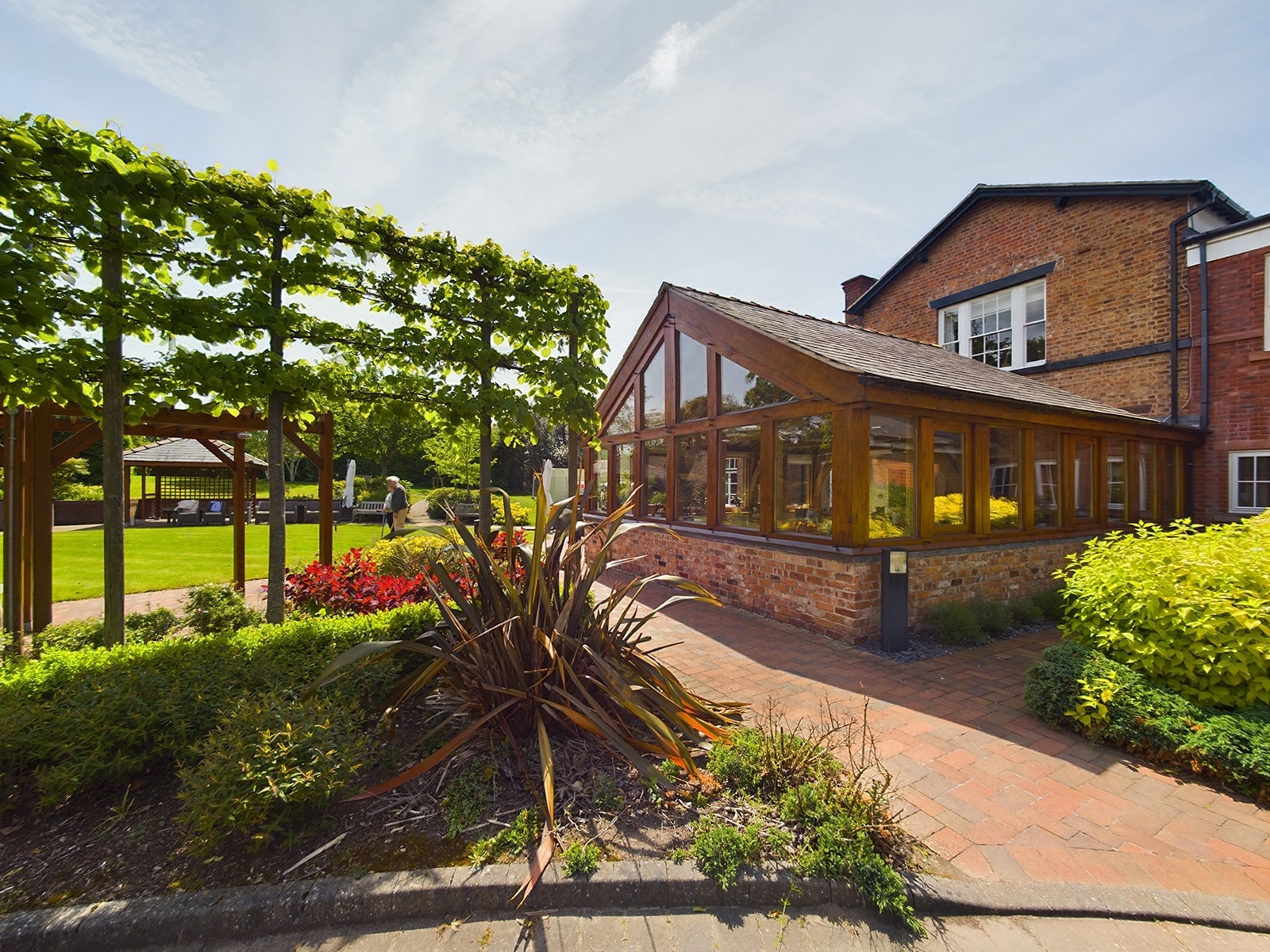
Apt 26, Boughton Hall Filkins Lane, Chester – CH3 5BG

£425,000

  • 2
  • 2
For Sale

Commonhall Street, Chester, CH1

£375,000

  • 2
  • 1
View All Properties

Contact Us

"*" indicates required fields

Name*
What are you interested in?
(Please select all that apply)

View our privacy policy regarding website enquiries.

This field is hidden when viewing the form

Buyers & Tenants Registrations

"*" indicates required fields

What property type are you interested in?*
Name*

View our privacy policy regarding website enquiries.

Property Valuation

"*" indicates required fields

Valuation Type:*
Name*

View our privacy policy regarding website enquiries.

This field is hidden when viewing the form